
Why Sign Companies Use Polycarbonate Instead of Acrylic
Share
07.05
When it comes to sign manufacturing, choosing the right material can make a major difference in durability, performance, and long-term costs. While acrylic has traditionally been used for illuminated signs and display applications, more sign companies are switching to solid polycarbonate because of its superior strength, impact resistance, and reliability.
Here’s why polycarbonate is becoming the preferred choice for modern signage applications.
Impact Resistant
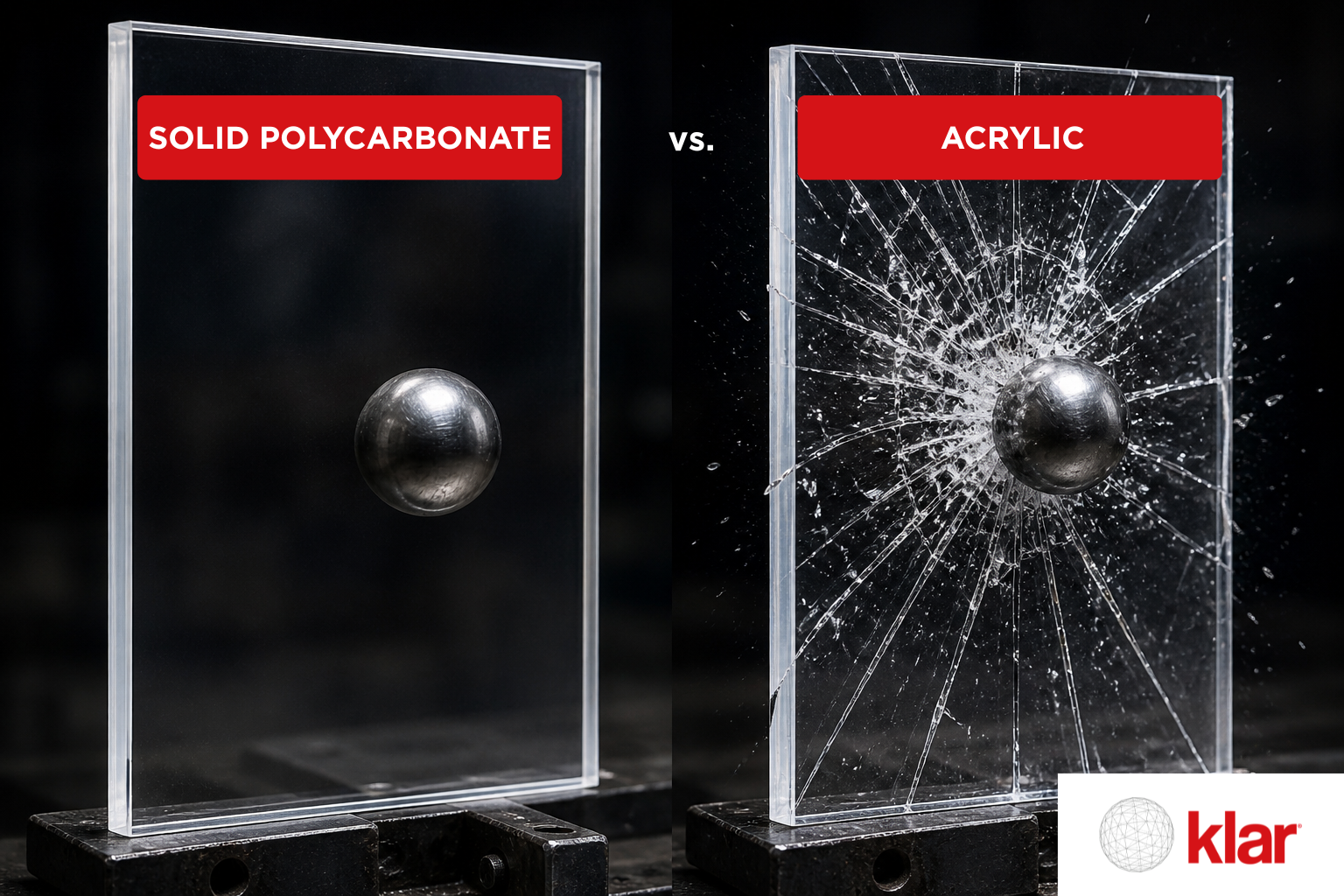
One of the biggest advantages of solid polycarbonate is its incredible strength. Polycarbonate is up to 250 times stronger than glass and significantly stronger than acrylic.
Acrylic can crack or shatter under impact, especially during transportation, installation, storms, or vandalism. Polycarbonate, on the other hand, is designed to withstand harsh conditions without breaking.
Why this matters for sign companies:
- Fewer damaged signs during shipping
- Lower replacement costs
- Better performance in high-traffic or exposed areas
- Increased safety for customers and installers
Better Performance
Outdoor signs are constantly exposed to sun, rain, wind, and temperature changes. Solid polycarbonate is engineered to perform in demanding environments and maintain its appearance over time. High-quality polycarbonate sheets with UV protection help prevent yellowing and deterioration caused by prolonged sun exposure. Acrylic tends to become brittle over time, especially in extreme climates.
Polycarbonate advantages outdoors:
- UV protection
- Excellent weather resistance
- Better resistance to hail and storms
- Long-term clarity and appearance
Thermoformable
Polycarbonate offers excellent flexibility without cracking, making it ideal for:
- Channel letters
- Curved signs
- Architectural signage
- Light boxes
- Custom displays
Because polycarbonate is easier to thermoform and machine, sign manufacturers can create more complex designs with a lower risk of material failure.
Lower Long-Term Costs
Although acrylic may sometimes have a lower initial cost, polycarbonate often delivers better value over time. Because it lasts longer and resists breakage, companies spend less on:
- Replacements
- Repairs
- Warranty claims
- Installation damage
For sign businesses, durability directly impacts profitability.
Excellent Light Transmission
Solid polycarbonate provides high light transmission, making it an excellent option for illuminated signs and LED applications. It creates bright, uniform lighting while maintaining the strength needed for outdoor use. This combination ofesthetics and durability makes polycarbonate ideal for premium signage projects.
While acrylic still has applications in certain indoor projects, solid polycarbonate has become the preferred material for many sign companies because it offers better durability, safety, and long-term performance.
For businesses looking to reduce maintenance, improve reliability, and deliver higher-quality signage, polycarbonate is a smarter investment.
As the signage industry continues to evolve, more manufacturers are choosing materials that can withstand real-world conditions — and solid polycarbonate continues to lead the way.